Transport
CNG Price Increases to ₦450 as Market Pressures Mount
By ORJI ISRAEL


…FG Ends Subsidy Support
The federal government’s decision to remove subsidy support on Compressed Natural Gas (CNG) has triggered a sharp rise in pump prices, with motorists now paying as much as ₦450 per standard cubic metre (scm) across major cities.
For many Nigerians, the development is a fresh blow to household budgets already strained by high petrol and diesel costs.
Motorists and Transport Operators React
At a CNG refilling station in Lagos, commercial driver Ibrahim Yusuf expressed frustration:
“We switched to CNG because it was affordable after petrol subsidy was removed. Now at ₦450, it’s no longer the relief we hoped for.”
Transport unions are warning that fare adjustments may be inevitable as operators struggle with rising operating costs, a situation that could further fuel inflation in food and essential goods.
Why the Price Jumped
According to industry experts, the spike in CNG prices is driven by several key factors:
Subsidy Removal: Government’s withdrawal of support has exposed consumers to full market pricing.
Rising Distribution Costs: Inadequate infrastructure and high logistics expenses for transporting gas have pushed prices upward.
Exchange Rate Pressures: The weaker naira continues to inflate the cost of equipment and technology used in gas processing and distribution.
Growing Demand: With thousands of vehicles converting from petrol to CNG, demand has quickly outpaced supply.
Government’s Position
Officials say the subsidy removal is part of broader reforms to reduce fiscal pressure and encourage private investment in the gas value chain.
The Presidential CNG Initiative (PCNGI) has promised to accelerate the rollout of new refilling stations and conversion workshops nationwide to ease supply constraints and stabilize prices.
Energy policy analyst Dr. Amina Adediran noted:
“In the short term, consumers will feel the pinch, but if government delivers on infrastructure expansion, CNG could still become a cheaper and cleaner alternative to petrol.”
What Lies Ahead
As CNG prices climb, Nigerians brace for higher transport fares and ripple effects across the economy. Analysts warn that unless urgent investments are made in infrastructure and distribution, the government’s clean energy transition plan could lose public support.
For now, commuters and businesses must adjust to the new reality, where the promise of cheaper CNG fuel faces its toughest test yet.



Dangote Refinery Ramps Up to 700,000 Barrels Per Day, Strengthening Africa’s Energy Landscape

Rising Cybersecurity Breaches in Nigeria: Digital Encode Issues Urgent Advisory on Widespread Security Weaknesses

Amokachi, Dosu Joseph, Fatai Amoo Grace Taiwo Afolabi Cup Final
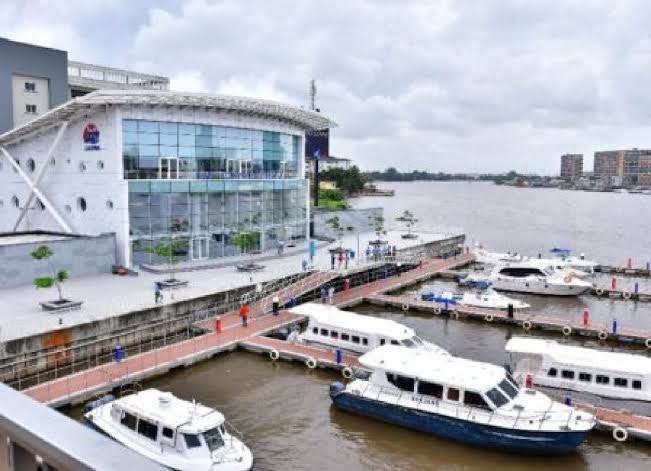
LASG Acquires New Outboard Engines For Optimum Boat Performance

Elon Musk builds Hotel in Mars, Sets to launch soon at $5million per night – Photos